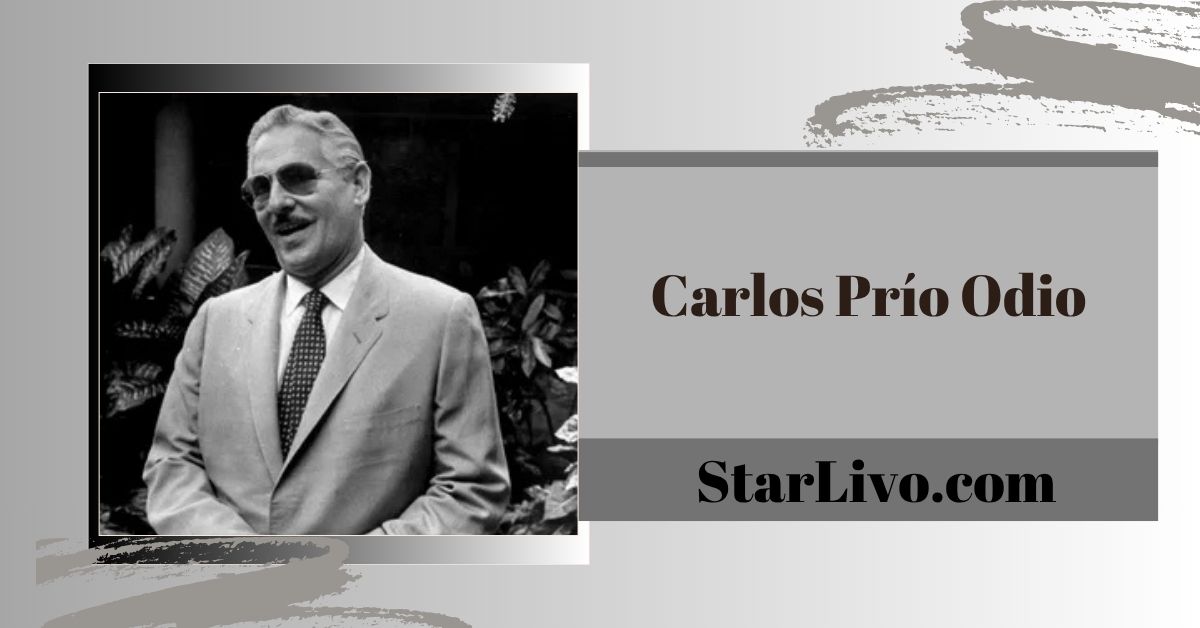
Carlos prío odio is a search term that often creates confusion because it appears to combine the identities of two very different individuals: Carlos Odio, a modern policy expert and investor, and Carlos Prío Socarrás, a historical political leader who served as President of Cuba from 1948 to 1952.
Understanding this keyword requires separating fact from confusion. These two figures lived in completely different eras, worked in entirely different fields, and had very different impacts on society. One represents modern governance and policy innovation, while the other reflects a critical period in Cuban political history.
This article provides a clear, accurate, and detailed explanation of both individuals, their roles, and why they are often mistakenly connected.
Who Is Carlos Odio?
Carlos Odio is a contemporary figure known for his work in public policy, investment, and democracy-focused innovation. He operates primarily in the intersection of technology and governance, an area that has become increasingly important in the 21st century.
Professional Background
Carlos Odio has built a career focused on improving democratic systems through innovation. He is associated with initiatives that support civic technology, which includes tools and platforms designed to strengthen public participation and transparency.
His work often involves:
- Supporting organizations that enhance democratic engagement
- Investing in technology-driven governance solutions
- Advising on public policy related to digital systems
Key Areas of Work
- Democracy and Governance
He focuses on improving how governments function in a digital world, emphasizing transparency and accountability. - Technology and Policy Integration
Carlos Odio is part of a new generation of thinkers who believe that technology can solve systemic governance problems. - Investment in Civic Innovation
Through funding and advisory roles, he supports startups and initiatives that aim to modernize democratic processes.
Why Carlos Odio Is Relevant Today
In today’s world, governments face challenges such as misinformation, lack of transparency, and declining public trust. Carlos Odio’s work is important because it addresses these issues through innovation and strategic investment.
He represents a shift from traditional governance toward data-driven, technology-enabled systems that aim to improve citizen engagement and policy effectiveness.
Who Was Carlos Prío Socarrás?
Carlos Prío Socarrás was a significant political figure in Cuban history. He served as the President of Cuba from 1948 to 1952, during a time of political transition and instability.
Early Life and Education
- Born in 1903 in Cuba
- Studied at the University of Havana
- Became involved in student activism and politics at an early age
His early experiences shaped his political ideology and prepared him for leadership roles in Cuban government.
Political Career
Before becoming president, Prío held several important positions, including roles in Cuba’s legislative system. His political rise was gradual, reflecting both his ambition and his ability to navigate complex political environments.
Presidency (1948–1952)
Carlos Prío Socarrás became president in 1948, representing a democratic government during a challenging period.
Achievements
- Promoted infrastructure development
- Expanded public services
- Encouraged economic growth
Challenges
Despite these achievements, his presidency faced serious problems:
- Corruption allegations weakened public trust
- Political instability created uncertainty
- Opposition forces grew stronger over time
The 1952 Coup
In 1952, his government was overthrown by a military coup led by Fulgencio Batista. This event marked the end of his presidency and the beginning of a new political era in Cuba.
The coup had long-term consequences, eventually contributing to the Cuban Revolution in 1959, which dramatically reshaped the country’s political system.
Life After Presidency
After losing power, Carlos Prío Socarrás went into exile. He spent much of his later life outside Cuba and passed away in 1977.
Key Differences Between Carlos Odio and Carlos Prío Socarrás
Although their names may appear together in search queries, these two individuals are entirely different. The table below highlights their key differences:
| Aspect | Carlos Odio | Carlos Prío Socarrás |
| Time Period | Modern (21st century) | Historical (20th century) |
| Profession | Policy expert, investor | Politician, President |
| Field | Technology & governance | National politics |
| Focus | Democracy innovation | Government leadership |
| Impact | Future-oriented | Historically significant |
Historical Context: Cuba in the Mid-20th Century
To understand Carlos Prío Socarrás, it is important to examine the broader political environment of Cuba during his presidency.
Political Landscape
- Cuba was experiencing rapid political changes
- Democratic institutions were still developing
- Corruption and instability were widespread concerns
Impact of the 1952 Coup
The coup led by Batista disrupted democratic governance and set the stage for future conflict. It demonstrated how fragile political systems can be when:
- Institutions are weak
- Public trust is low
- Power struggles intensify
This period eventually led to major historical events that shaped modern Cuba.
Modern Governance and the Role of Innovation
In contrast to Prío’s era, today’s governance challenges are different. Instead of military coups, governments now face issues such as:
- Digital security
- Information control
- Public trust in institutions
Carlos Odio’s Contribution
Carlos Odio’s work addresses these challenges by focusing on:
- Digital tools for governance
- Transparency through technology
- Improved civic participation
His approach reflects a broader shift toward innovation-driven policy solutions.
Why “Carlos Prío Odio” Is a Popular Search Term
There are several reasons why people search for this combined term:
- Name Similarity
The names Carlos Prío and Carlos Odio sound similar, leading to confusion. - Mixed Search Intent
Some users are looking for historical information, while others want modern policy insights. - Lack of Clear Information
Without proper explanation, search engines may not clearly distinguish between the two individuals.
Timeline Comparison
| Year | Carlos Prío Socarrás | Carlos Odio |
| 1903 | Born | — |
| 1948 | Became President of Cuba | — |
| 1952 | Overthrown in coup | — |
| 1977 | Died | — |
| 2000s+ | — | Active in policy and investment |
Case Study: Leadership vs Innovation
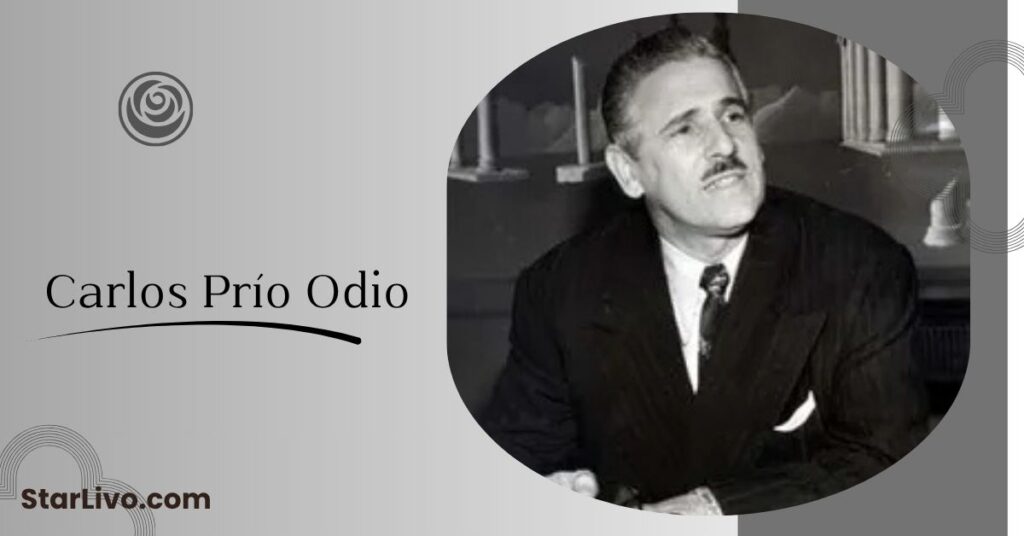
Carlos Prío Socarrás – Traditional Leadership
Prío’s presidency represents a traditional model of governance where leadership depended on:
- Political alliances
- Institutional control
- Public perception
However, his administration struggled with corruption and instability, showing the limitations of traditional systems.
Carlos Odio – Innovation-Driven Approach
Carlos Odio represents a modern approach where governance is supported by:
- Technology
- Data-driven decisions
- Public engagement tools
This model focuses on solving systemic problems rather than reacting to them.
Lessons from Both Figures
From Carlos Prío Socarrás
- Strong institutions are essential for stability
- Corruption can undermine even legitimate governments
- Political systems must evolve to survive
From Carlos Odio
- Innovation can strengthen democracy
- Technology plays a key role in governance
- Future systems must prioritize transparency
READ OLD BLOG>>Shane Stoffer: Age, Height, Workout, Net Worth & Biography
Conclusion
The keyword Carlos prío odio reflects a blend of two worlds: historical political leadership and modern governance innovation. While Carlos Prío Socarrás represents a significant chapter in Cuba’s past, Carlos Odio symbolizes the future of policy and democratic development.
Understanding the difference between them is not just about clearing confusion—it also provides valuable insight into how governance has evolved over time. From traditional political systems to technology-driven innovation, the contrast between these two figures highlights the changing nature of leadership and democracy.
Frequently Asked Questions
Are Carlos Odio and Carlos Prío the same person?
No, they are completely different individuals from different time periods and professions.
What is Carlos Odio known for?
He is known for his work in policy, governance innovation, and investment in democratic systems.
Why is Carlos Prío Socarrás important?
He was a key figure in Cuban history and his presidency occurred during a crucial political period.
Why do people search for “Carlos prío odio”?
Because of confusion between the names and interest in both historical and modern topics.